

Vatican City is the smallest independent state in the world and the seat of the Pope. As the spiritual center of the Catholic Church, it is world-renowned and a popular destination for pilgrims and tourists.
Sights in Vatican City: St. Peter’s Basilica, Sistine Chapel & Museums
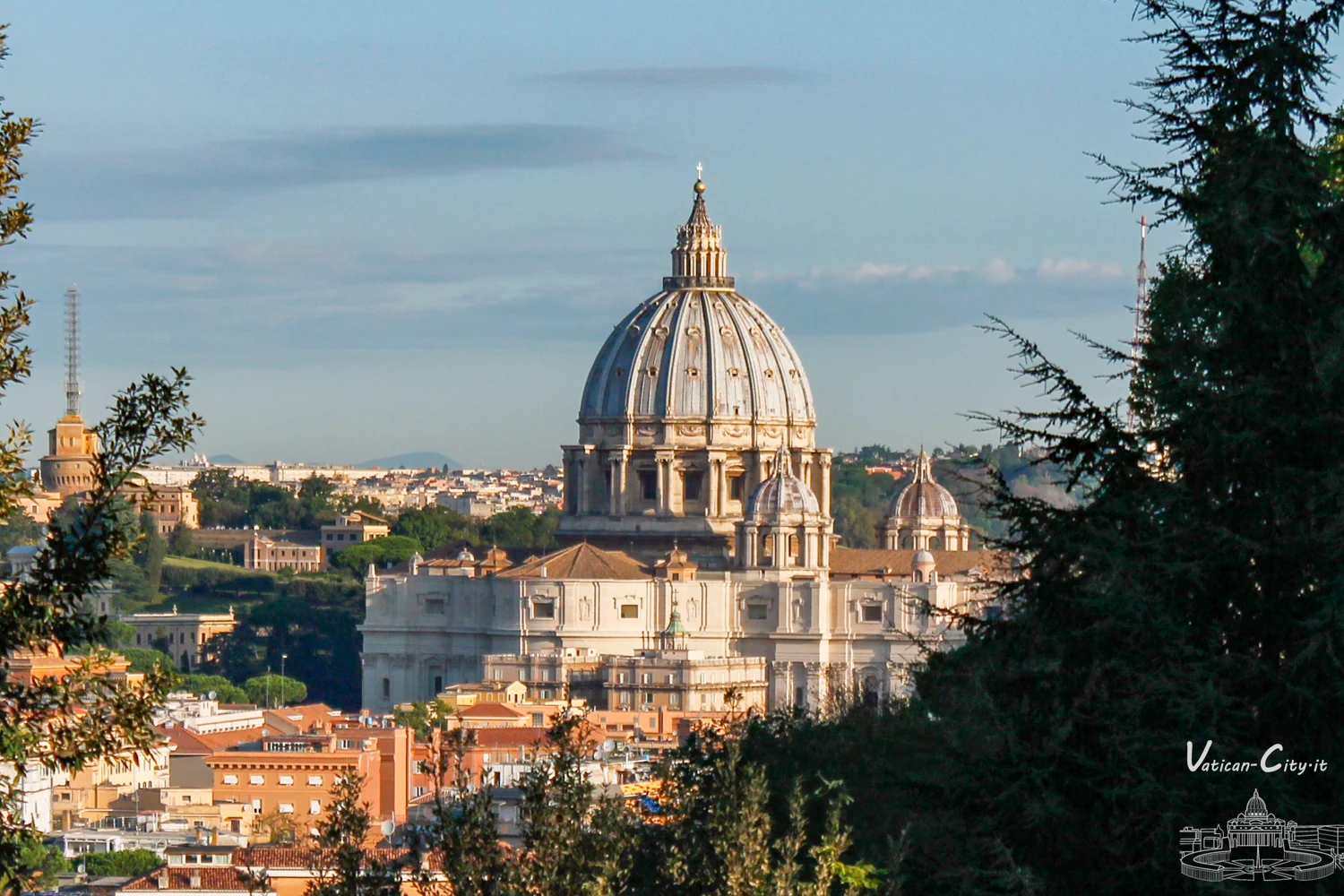
The main attractions include:
- the monumental St. Peter’s Basilica with its dome and crypt,
- the world-famous Sistine Chapel with Michelangelo’s frescoes,
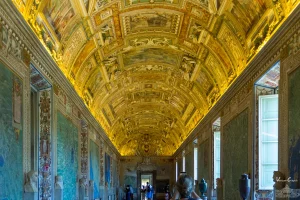
- and the Vatican Museums, which house one of the largest art collections in Europe.
Tips for visiting the Vatican
- Come early, especially for the dome of St. Peter’s Basilica and the Sistine Chapel
- Book tickets for the Vatican Museums online
- Dress code: shoulders and knees covered
- If interested: Guided tour of the Vatican Gardens
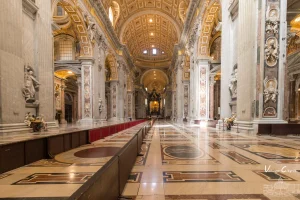
Conclusion: Why a visit to Vatican City is worthwhile
Vatican City is a place of history, art, and faith. As the seat of the Pope and the spiritual center of the Catholic world, it is more than a state – it is the symbol of a millennium of continuity from antiquity to the present day.
Unique buildings, immeasurable art treasures, and the traces of millennia make Vatican City a must-see not only for the faithful, but for anyone interested in art and history.
History of the Vatican: From Antiquity to the Founding of the State in 1929
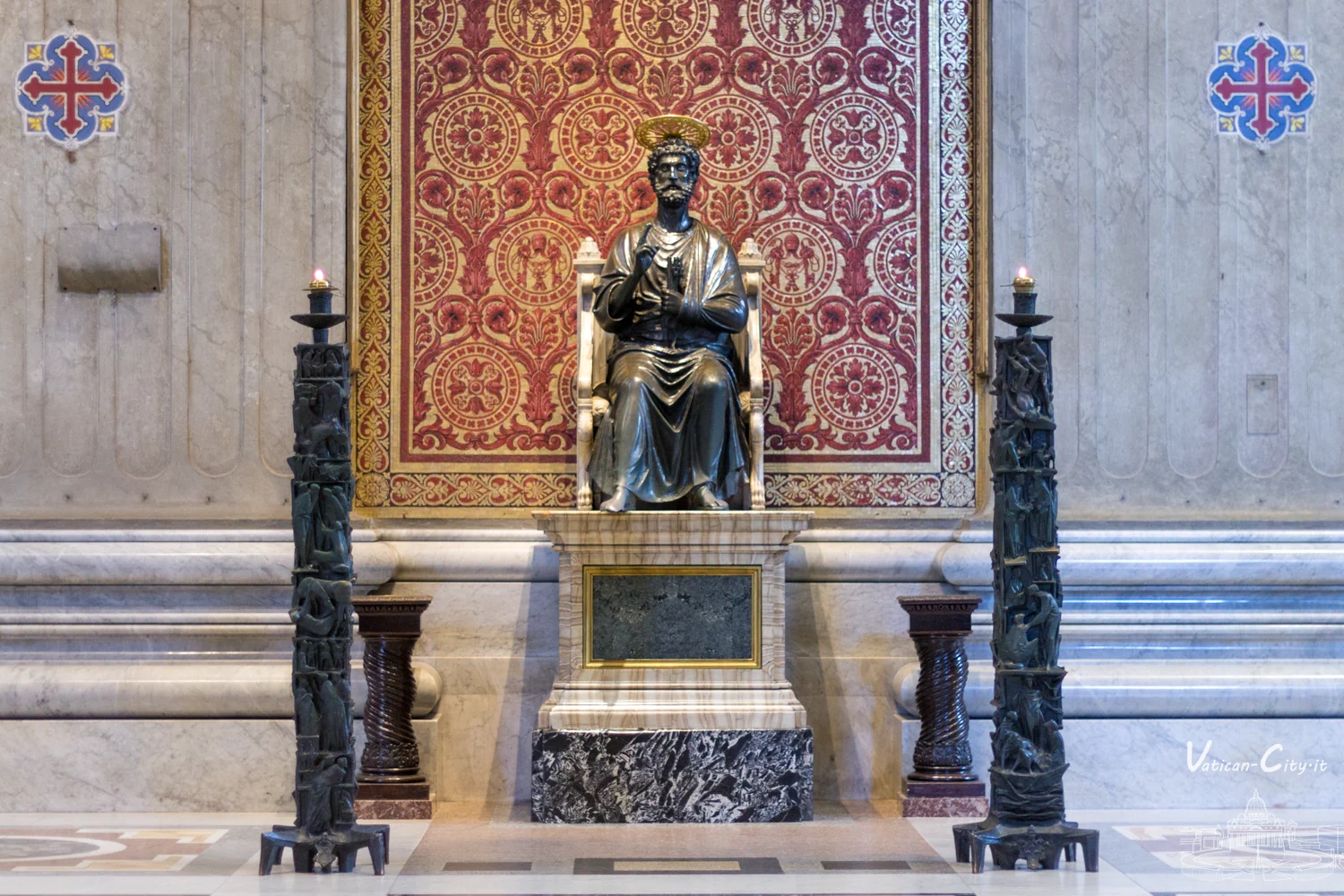
The name Vatican comes from Mons Vaticanus, a hill where a necropolis stood in ancient Rome. The apostle Peter is said to have been buried there. In the 4th century, Emperor Constantine, who made Christianity the state religion, had the first St. Peter’s Basilica built over Peter’s tomb. On its foundations, the current St. Peter’s Basilica – a Renaissance masterpiece – was built in the 16th century.
The role of the Pope has deep roots: In ancient times, the Pontifex Maximus was the supreme priest of the Roman Empire. Today, the Pope holds this title and is thus in direct line with ancient Rome.
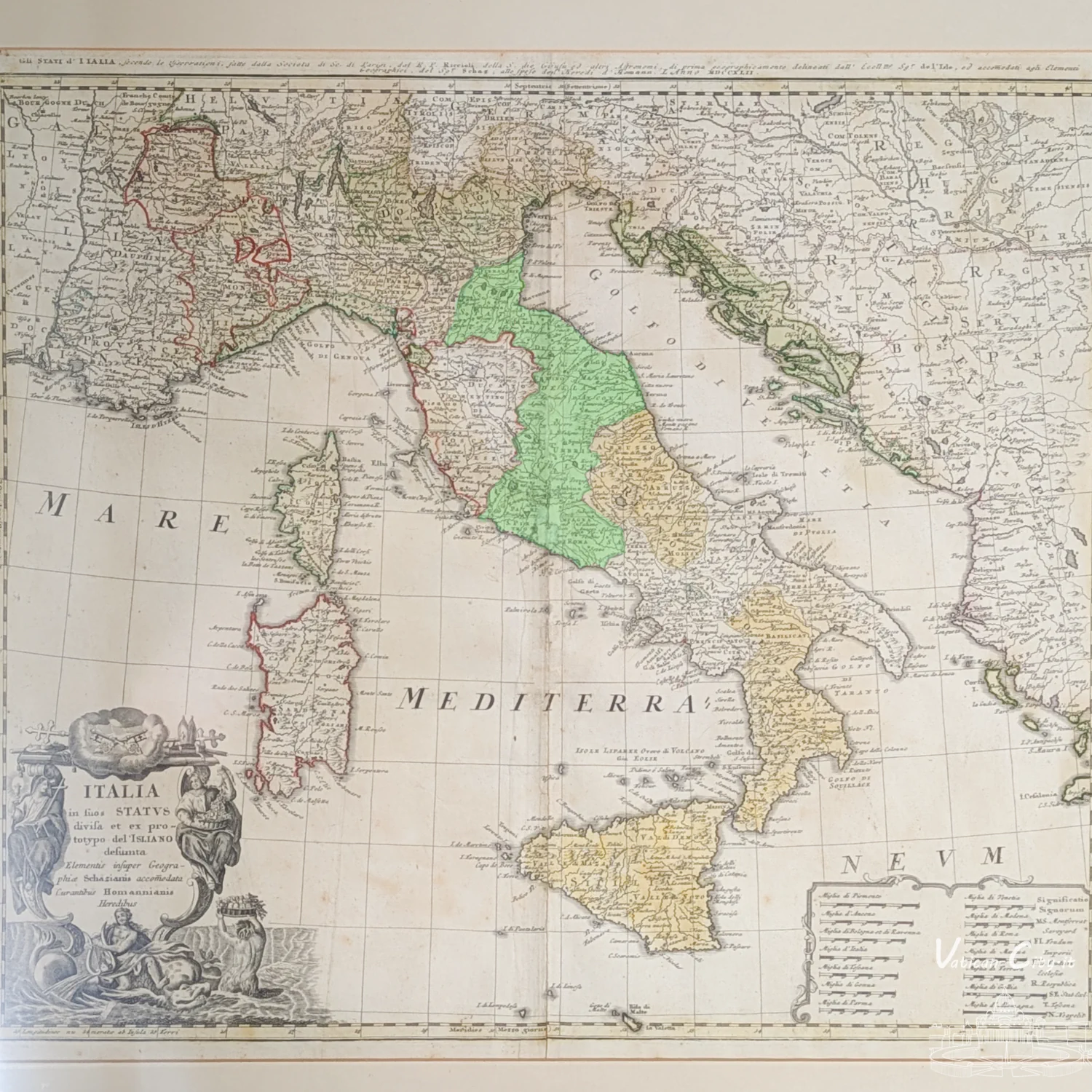
For more than 1,000 years, the popes ruled much of the Italian peninsula in the Papal States. In 1870, the Papal States ended with the occupation of Rome by the Kingdom of Italy, and the popes lost all temporal power. What is now Vatican City was recognized as a sovereign state in 1929 by the Lateran Treaties between the Holy See and Italy.
Extra-territorial areas of the Vatican – influence beyond the city walls
In addition to Vatican City, the Holy See has extraterritorial territories with a kind of diplomatic status that do not belong to Vatican City but fall under the jurisdiction of the Holy See. These include
Important extraterritorial basilicas:
In addition to St. Peter’s Basilica, three other basilicas are among the most important papal basilicas in Rome:
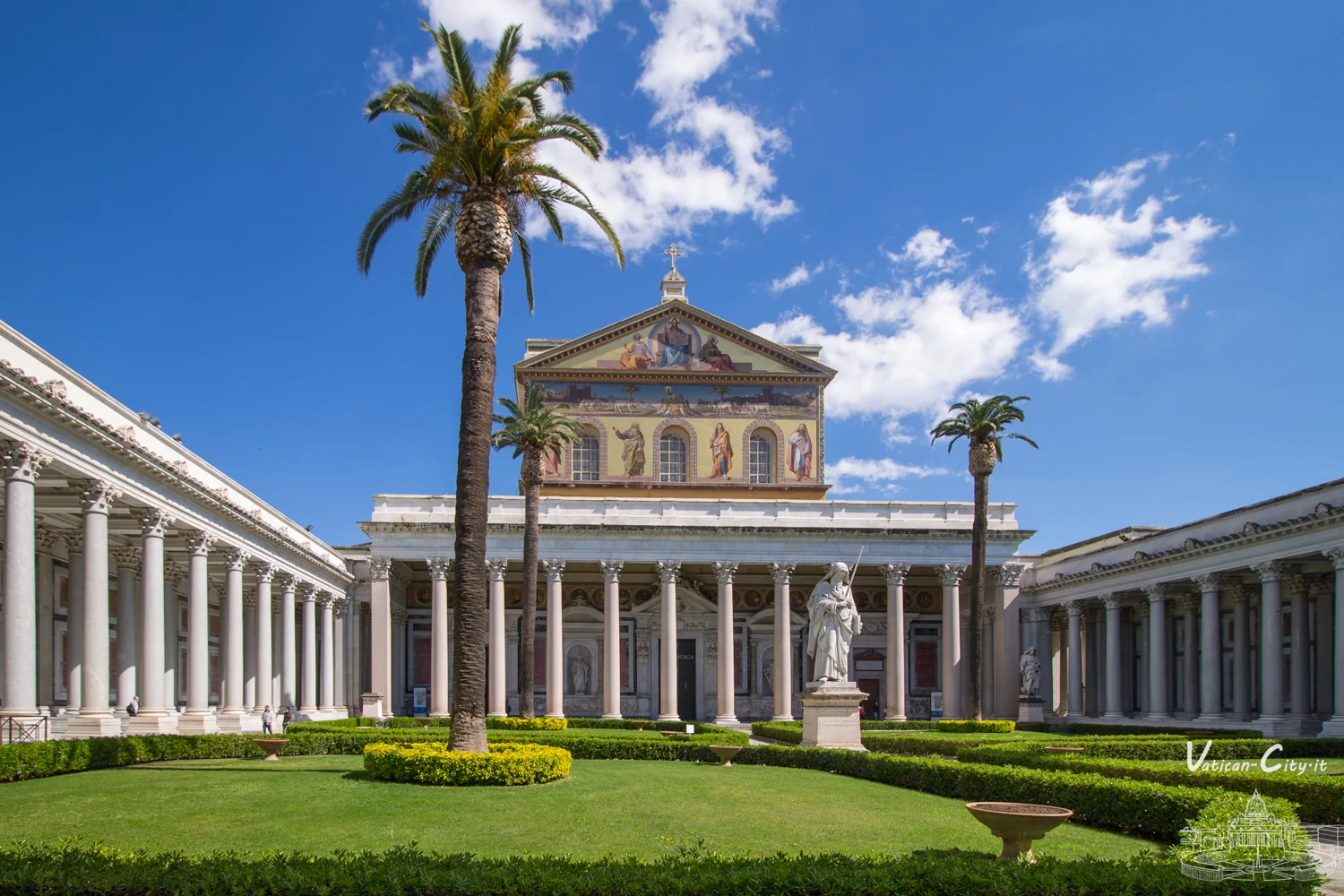
- Lateran Basilica with outbuildings, university, seminary and Scala Santa – it is the oldest basilica and seat of the Bishop of Rome
- Santa Maria Maggiore – Pope Francis is buried in this important church dedicated to the Virgin Mary
- San Paolo fuori le Mura – built on the site where the Apostle Paul is said to be buried, it displays the floor plan of the first basilicas. This is also what the original St. Peter’s Basilica, with its four-sided colonnade, looked like.
Other Extraterritorial Facilities:
- Audience Hall and Campo Santo
- Bambino Gesù Children’s Hospital, headquartered on the Janiculum Hill with an outpatient clinic near the Basilica of Saint Paul
- Administrative buildings, monasteries, schools, accommodations
- Papal Villas in Castel Gandolfo: The Apostolic Palace in Castel Gandolfo is the summer residence of the Popes. The Papal Gardens of Villa Barberini and the Apostolic Palace are open to visitors.
Profile Vatican City
Official name
Status Civitatis Vaticanae
Colors
yellow / white
Area
Population
Official Languages
Form of government
0,44 km² (0.17 mi²)
< 1.000
Latin, Italian
theocratic elective monarchy
Poste Vaticane
Postal service with its own stamps and philately
Currency
Euro, own coins