

The Sistine Chapel is one of the greatest artistic achievements in human history — and one of the most visited sites in Rome. Michelangelo’s ceiling and The Last Judgment draw millions of visitors each year. Access is only possible through the Vatican Museums, and tickets sell out weeks ahead during peak season. Booking in advance is essential. On the last Sunday of every month, entry is free — but queues can easily exceed three hours.
Contents


Affiliate Disclosure
Is There a Dedicated Sistine Chapel Ticket?
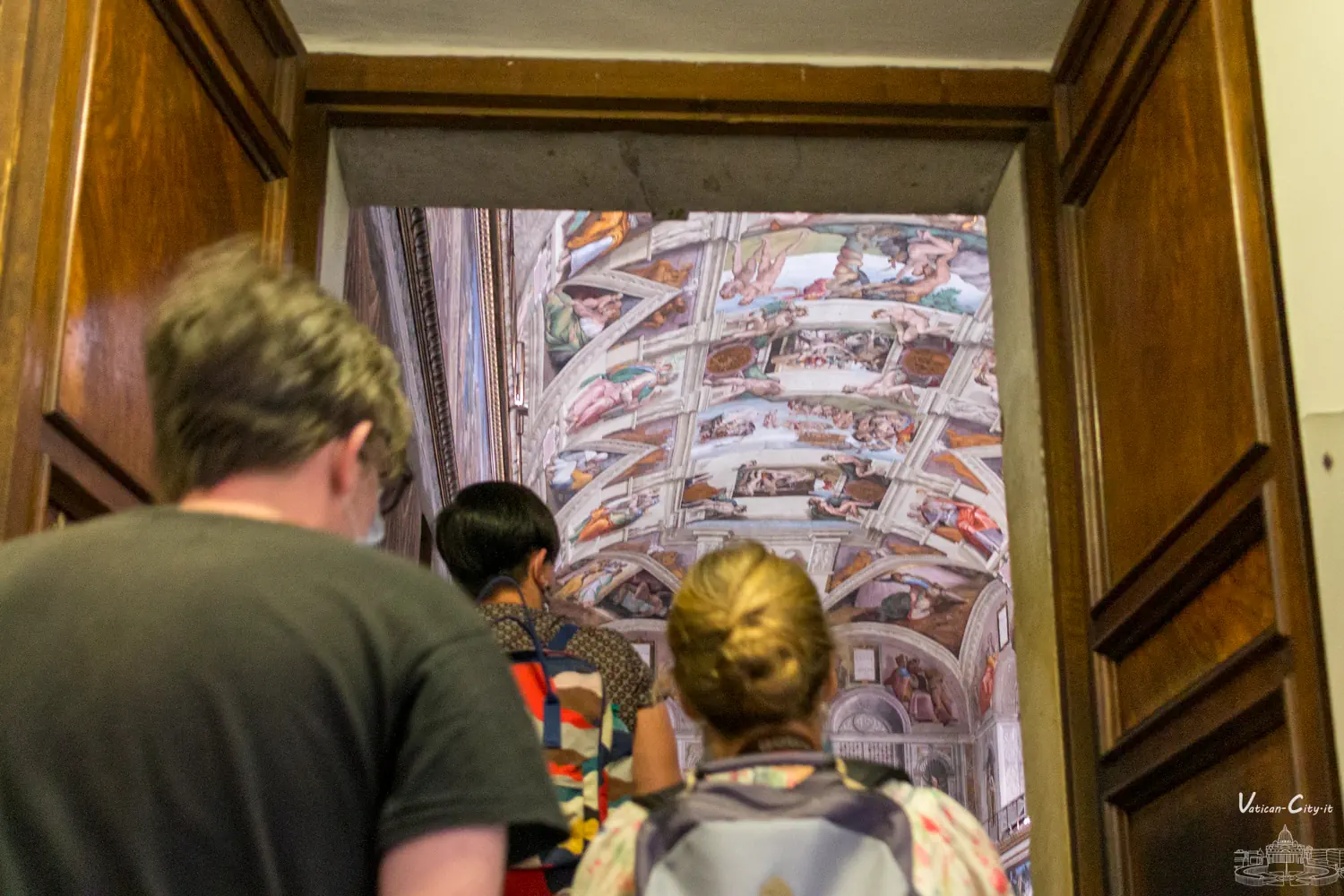
There is no standalone ticket for the Sistine Chapel alone. The chapel is located inside the Vatican Museums complex and can only be reached through it — every Vatican Museums ticket automatically includes access to the Sistine Chapel, usually as the final highlight of the visit. No platform or ticket office sells a Sistine Chapel-only ticket.
Sistine Chapel Ticket Prices 2026
Since the Sistine Chapel is accessed through the Vatican Museums, the ticket price covers the entire Museums visit. The standard online ticket costs €20 (full price) or €10 (reduced for students and youth 6–17 with valid ID). A booking fee of approximately €5 applies per ticket when booking through the official Vatican Museums website. Third-party platforms such as Tiqets and GetYourGuide offer timed-entry tickets, guided tours, and exclusive early-access options — often with no additional booking fee and free cancellation up to 24 hours before.
Tip: Children under 7 enter free. Students and under-18s qualify for reduced rates with valid documentation.
Choose the ticket option that fits your visit — a self-guided timed entry gives you full flexibility inside the Museums, while a guided tour adds context and often includes direct access to St. Peter’s Basilica through the internal passageway:
Tiqets
Skip-the-line entry and guided tours. Timed entry with instant QR code confirmation, free cancellation up to 24 hours before, 77,084 real customer reviews 4.3 .
From € 17.60
GetYourGuide
Guided tours, skip-the-line entry and exclusive early-access options. Small groups, licensed guides with audio headsets, and — on selected tours — direct access to St. Peter’s Basilica through the internal passageway.
Skip the Line: Is It Worth It?
Yes — especially in high season. During peak periods, a timed-entry ticket can save you well over an hour compared to queuing on the day. Security at the Museums entrance is fast and takes only a few minutes; the time saving comes entirely from bypassing the general ticket queue. The most practical options are a timed self-guided entry ticket (best value, full flexibility inside), a guided small-group tour (ideal for first-timers, as guides explain the frescoes before entering — speaking inside the chapel is not permitted), early access before the Museums open to the public (the quietest experience, highly recommended), and Vatican Gardens + Museums combo tickets.
How far in advance should you book? For skip-the-line options — especially early access and small-group guided tours — book at least 30 days in advance. These sell out quickly, particularly during spring and summer. Most major platforms offer free cancellation up to 24 hours before, so booking early carries little risk.
What to See in the Sistine Chapel
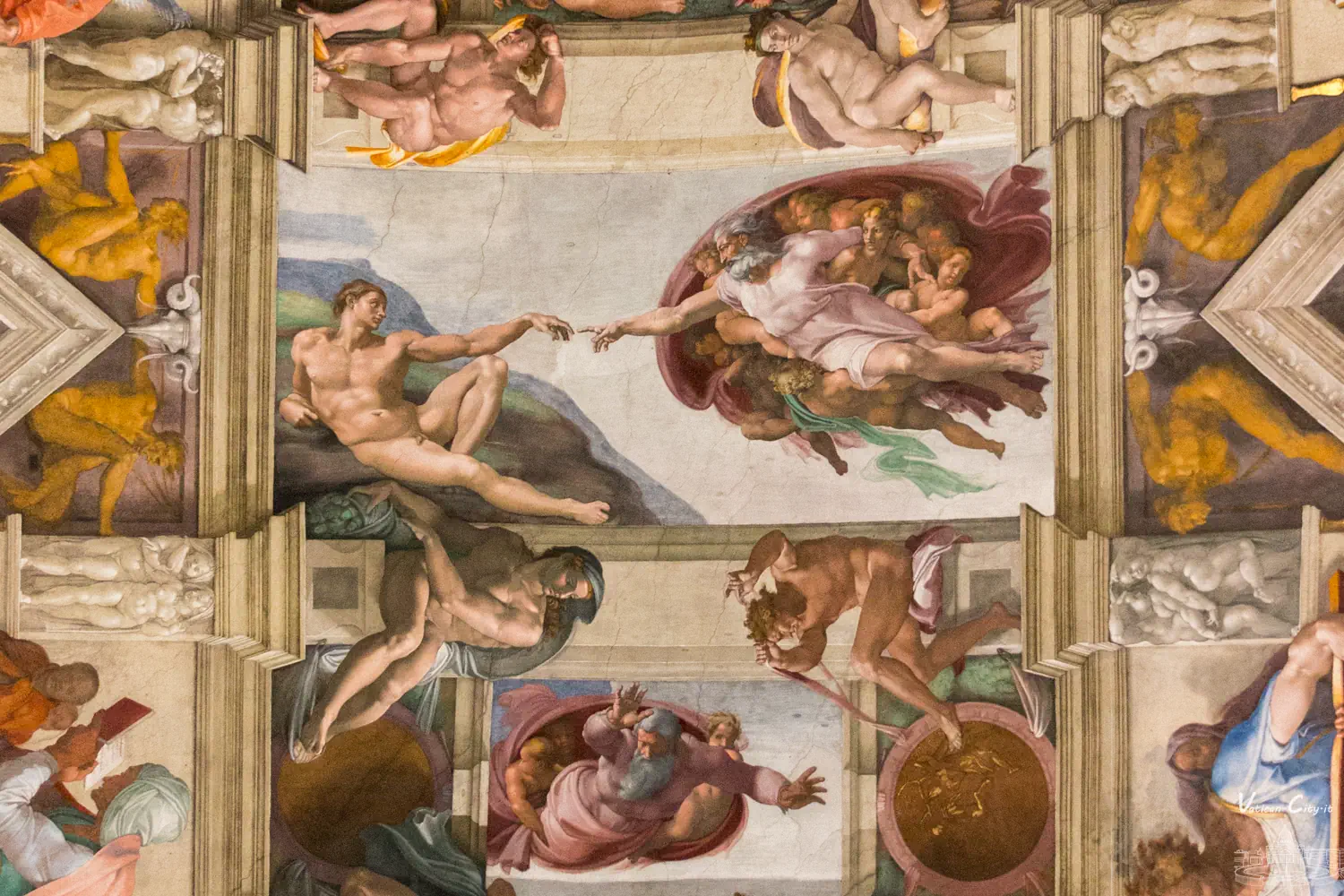
The chapel is famous above all for two works by Michelangelo. The ceiling frescoes (1508–1512) cover the entire barrel vault with nine central panels depicting scenes from the Book of Genesis — from the Separation of Light from Darkness to the Drunkenness of Noah. The most iconic of these, the Creation of Adam, shows God reaching across to give life to the first man; the gap between their fingertips has become one of the most reproduced images in Western art. Twelve monumental figures of prophets and sibyls line the perimeter, and hundreds of smaller figures fill the surrounding spaces.
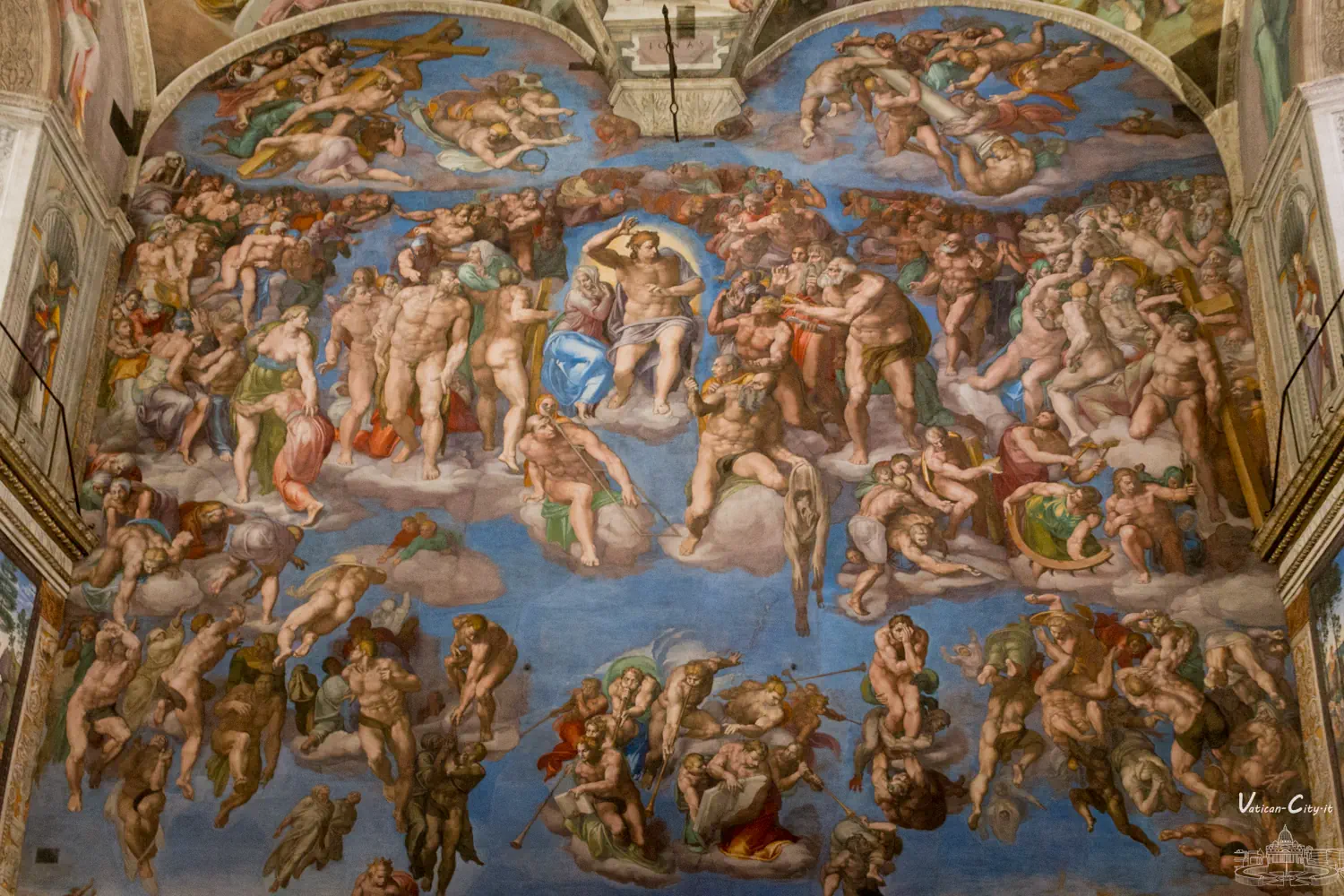
The Last Judgment (1536–1541) fills the entire altar wall — approximately 200 square metres of fresco depicting the second coming of Christ and the fate of the souls of the dead. Christ appears at the centre, arm raised, surrounded by saints, martyrs, and the condemned descending toward hell. The scale and emotional intensity of the composition remain overwhelming centuries later.
Alongside Michelangelo’s work, the chapel’s side walls carry the original Renaissance frescoes commissioned by Sixtus IV — parallel scenes from the lives of Moses and Christ by Botticelli, Perugino, Rosselli, and Ghirlandaio. These are often overlooked by visitors focused on the ceiling, but reward careful attention.
Opening Hours & Best Time to Visit
The Sistine Chapel is accessible during Vatican Museums opening hours. Current hours for the next three months:
- Opening Hours: Mon – Sat 08:00 – 20:00 Last Entry: 18:00
- Free Entry: Sun 27. Sep – Sun 25. Oct – Sun 29. Nov: 09:00 – 14:00 Last Entry: 12:30
- Closed: Sundays – Tue 8. Dec (Immaculate Conception)
Best time to visit: Late afternoon from around 6 PM (two hours before closing), when crowds are thinner and the atmosphere more peaceful. For the quietest experience overall, plan your trip in November or January. September and October fall within high season and tend to be consistently busy. Saturdays, Mondays and the last Sunday of the month — when entry is free — are the most crowded days and are best avoided if possible.
Practical Tips for Visiting the Sistine Chapel
Knowing a few practical details before you arrive makes a real difference to your visit. The Sistine Chapel sits at the far end of the Vatican Museums, reached via a one-way circuit through the galleries, and has specific rules on photography, clothing, and behaviour that are strictly enforced.
Where is the Sistine Chapel?
The Sistine Chapel is located inside the Apostolic Palace (Palazzo Apostolico) within the Vatican City walls — the official residence of the Pope and seat of the Holy See. It is not a standalone building: the chapel sits at the far end of the Vatican Museums complex, which you must walk through in its entirety to reach it. The Vatican Museums ticket counter and entrance are on Viale Vaticano; the Sistine Chapel is at the opposite end of the complex, adjacent to St. Peter’s Basilica.
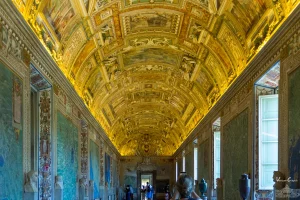
The Vatican Museums operate a strict one-way system. Visitors follow a fixed route from the entrance — typically through the Gallery of Candelabra, the Gallery of Maps, the Gallery of Tapestries, and the Raphael Rooms — before arriving at the Sistine Chapel near the end of the circuit. Once you move forward through an area, you cannot go back. The full walk covers approximately 4 to 7 kilometres depending on which galleries you stop in; allow at least 2 to 3 hours for the complete visit.
From the chapel exit, the route passes through the lower floor of the museum back to the Pinacoteca courtyard, from where visitors can explore the other museum wings or head directly to the Museums exit via the famous double-helix staircase. The internal passageway connecting the chapel directly to St. Peter’s Basilica is reserved for authorised guided groups only — it is not accessible to visitors with a standard ticket.
Photography in the Sistine Chapel
Photography and filming are strictly prohibited inside the Sistine Chapel — this applies to cameras, smartphones, and any recording device. Security staff are very active and will ask visitors to delete images or leave the chapel if a device is seen in use. The ban reflects a combination of factors: the chapel is an active place of worship, the image rights for the restored frescoes are held by a third party, and the Vatican wants to preserve the atmosphere of silence and contemplation. Photography is permitted without flash in other parts of the Vatican Museums.
Dress Code
A strict dress code applies throughout the Vatican Museums and Sistine Chapel. Shoulders and knees must be covered for both men and women. Sleeveless tops, shorts, and short skirts are not permitted — visitors who do not comply risk being turned away at the entrance, even with a valid ticket. Lightweight scarves work well as a cover-up in summer. Comfortable, sturdy shoes are strongly recommended: reaching the Sistine Chapel involves walking through several kilometres of gallery space on hard marble floors.
How to Get from the Sistine Chapel to St. Peter’s Basilica
There is a direct internal passageway from the Sistine Chapel to St. Peter’s Basilica, but it is reserved exclusively for guided groups with authorised guides. Independent visitors must exit the Museums and enter the Basilica from the main entrance in St. Peter’s Square — a walk of over a kilometre, plus the security queue at the Basilica entrance. If avoiding the extra walk and queue is a priority, book a combined guided tour that includes the internal passageway: this saves approximately two hours compared to visiting both sites independently.
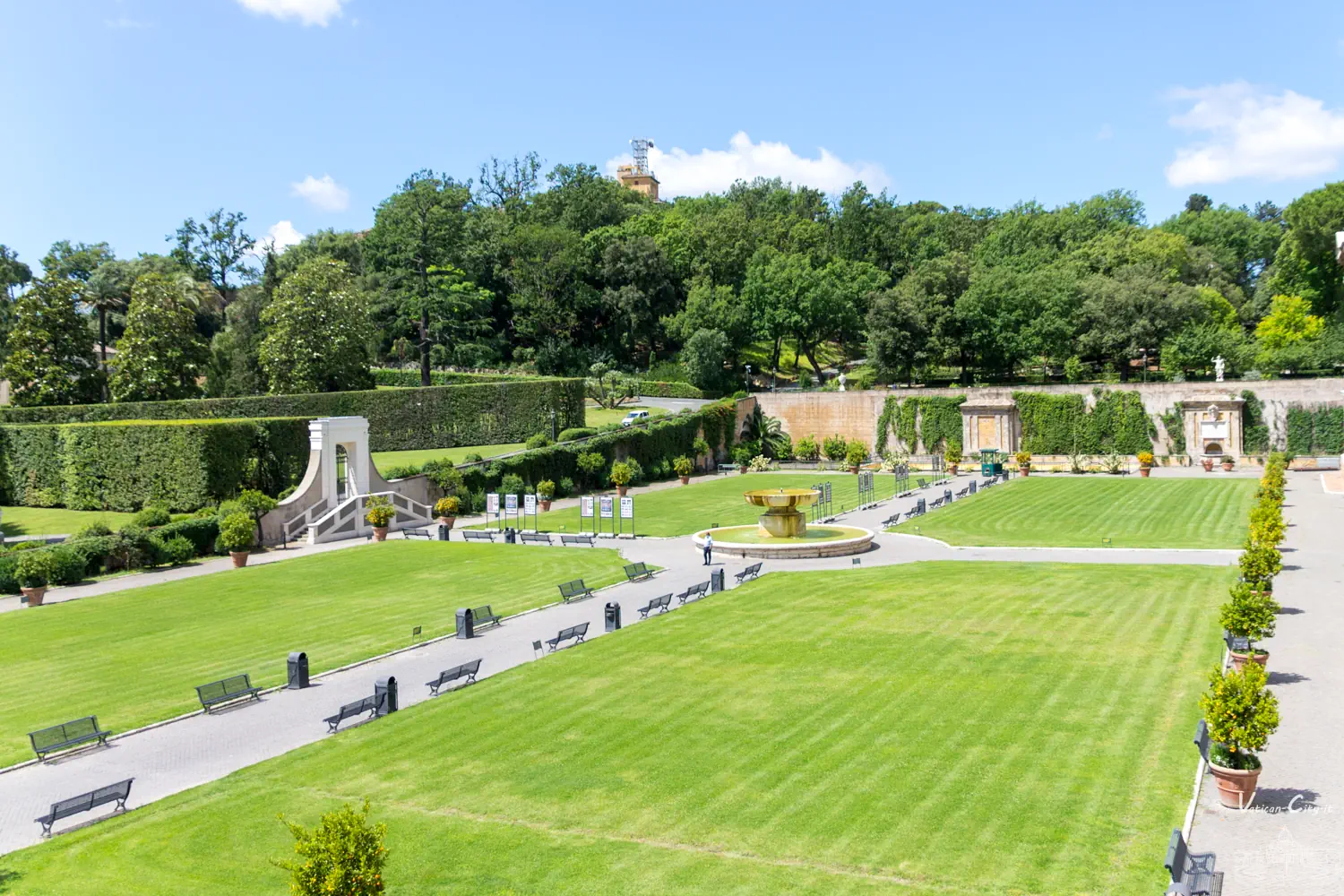
The Sistine Chapel is the centrepiece of the Vatican Museums — but the Vatican complex offers much more. For full ticket options, opening hours, and a complete guide to the Museums, see our Vatican Museums page. For St. Peter’s Basilica entry, times, and the dome climb, see St. Peter’s Basilica. The Vatican Gardens are accessible only on a guided tour and can be combined with the Museums visit on the same day.
A Brief History of the Sistine Chapel
The Sistine Chapel — Cappella Sistina in Italian — takes its name from Pope Sixtus IV, who commissioned its construction in the 1470s. The building was completed in 1481 as the principal chapel of the Apostolic Palace, replacing an earlier medieval structure. It has served ever since as the setting for the most solemn papal ceremonies, and has housed every papal conclave since 1492.
The side walls were frescoed between 1481 and 1483 by some of the greatest painters of the Florentine and Umbrian Renaissance — Sandro Botticelli, Pietro Perugino, Domenico Ghirlandaio, and Cosimo Rosselli — with parallel scenes from the lives of Moses and Christ. These frescoes remain visible today on the lateral walls, though they are often overlooked by visitors focused on the ceiling above.
In 1508, Pope Julius II commissioned Michelangelo to paint the barrel-vaulted ceiling. Michelangelo — who considered himself a sculptor, not a painter — worked largely alone from 1508 to 1512, covering some 500 square metres with over 300 figures. Nine central panels depict key episodes from the Book of Genesis, culminating in the Creation of Adam. Twenty-four years later, under Pope Paul III, Michelangelo returned to paint The Last Judgment (1536–1541) across the entire altar wall — a monumental composition of nearly 400 figures considered among the most ambitious paintings in history.
Sistine Chapel – Quick Facts
| Commissioned by | Pope Sixtus IV |
| Built | 1473–1481 |
| Ceiling frescoes | Michelangelo, 1508–1512 (commissioned by Pope Julius II) |
| The Last Judgment | Michelangelo, 1536–1541 (commissioned by Pope Paul III) |
| Dimensions | 40.9 m × 13.4 m, ceiling height 20.7 m |
| Admission | Vatican Museums ticket required (from €20 online) |
| Free entry | Last Sunday of each month (queues expected) |
| Photography | Strictly prohibited inside the chapel |
| Dress code | Shoulders and knees must be covered |
Frequently Asked Questions
Can I visit the Sistine Chapel without visiting the Vatican Museums?
No. The Sistine Chapel is located within the Vatican Museums complex and can only be reached through it. Every Vatican Museums ticket automatically includes access to the chapel. No standalone Sistine Chapel ticket exists.
How long does a visit to the Sistine Chapel take?
The chapel itself is relatively compact — most visitors spend 15 to 30 minutes inside. However, reaching it requires walking through the full Museums route, so allow at least 2 to 3 hours for the complete visit.
Is it free to enter the Sistine Chapel?
Entry is not free as a rule. However, the Vatican Museums — and with them the Sistine Chapel — open free of charge on the last Sunday of every month. No advance booking is possible on those days. Expect very large crowds and queues of three hours or more.
Can I take photos inside the Sistine Chapel?
No. Photography and filming of any kind are strictly prohibited inside the chapel. This rule is actively enforced by security staff on the ground. Photography is permitted without flash in the rest of the Vatican Museums.
Is the Sistine Chapel suitable for children?
Yes, though the visit requires patience and a fair amount of walking. Children under 7 enter free. A guided family tour can help keep younger visitors engaged by bringing the stories behind the frescoes to life before entering the chapel, where silence is required.
What is the best way to avoid queues?
Book a timed skip-the-line ticket or a guided tour well in advance — ideally at least 30 days ahead. Visiting early in the morning or late in the afternoon also helps reduce waiting times significantly. Avoid the last Sunday of the month (free entry day) and Saturdays in high season, when crowds are heaviest.
Are there audio guides available?
Yes. Audio guides can be rented at the Museums entrance and are available in several languages. Note that audio guides and all talking are prohibited inside the chapel itself — context is delivered before entry. Many third-party ticket options include an audio guide or live guide as part of the package.
Are the Vatican Museums accessible for wheelchair users?
Yes. The Vatican Museums offer accessible routes for visitors with reduced mobility, and staff are available to assist. It is advisable to contact the Museums in advance to confirm the most suitable access options for your visit, as some areas may involve steps.
Where are the other 15 chapels?
The chapel is named after Pope Sixtus IV, who commissioned its construction in the 1470s. “Sistine” is simply the Latin/Italian adjectival form of “Sixtus” — so it means the chapel of Sixtus, not the sixteenth chapel.
There is no first through fifteenth chapel to go along with it. It’s a one-of-a-kind building with a unique name, not part of a numbered series.
Conclusion
A visit to the Sistine Chapel is one of those rare experiences that genuinely lives up to the hype. Standing beneath Michelangelo’s ceiling — with the Creation of Adam overhead and The Last Judgment filling the altar wall — is a moment that stays with you long after you leave Rome. The key to making the most of it is preparation: book your skip-the-line ticket at least 30 days ahead, arrive early in the morning or late in the afternoon, dress appropriately, and leave the camera in your bag. With the right ticket and a little planning, you can focus entirely on what matters — one of the greatest artistic achievements in human history.

Activities in Rome
See all
Colosseum
Visit Rome’s impressive Colosseum, once home to gladiators and chariots; book admission online early due to high demand
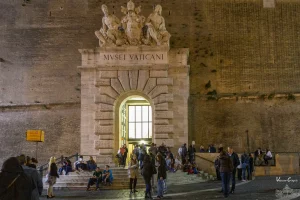
Vatican Museums
Catch a glimpse of one of the greatest art collections in the world, including Michelangelo’s famed Sistine Chapel
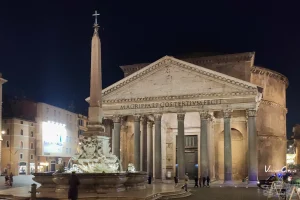
Rome Pantheon
Book Pantheon Rome tickets online for your preferred entry time and skip the long ticket office lines to visit Ancient Rome’s best-preserved monument